What Are Essential Oils? The Complete Beginner’s Guide
What Are Essential Oils? The Complete Beginner’s Guide
Essential oils have become one of the most popular natural wellness tools in the world — but what exactly are they, and how do they work? Whether you’ve seen them in a diffuser, added to skincare, or used in cleaning recipes, essential oils can seem both mysterious and magical. This complete beginner’s guide will walk you through what they are, how they’re made, how to use them safely, and which oils to start with.
What Are Essential Oils?
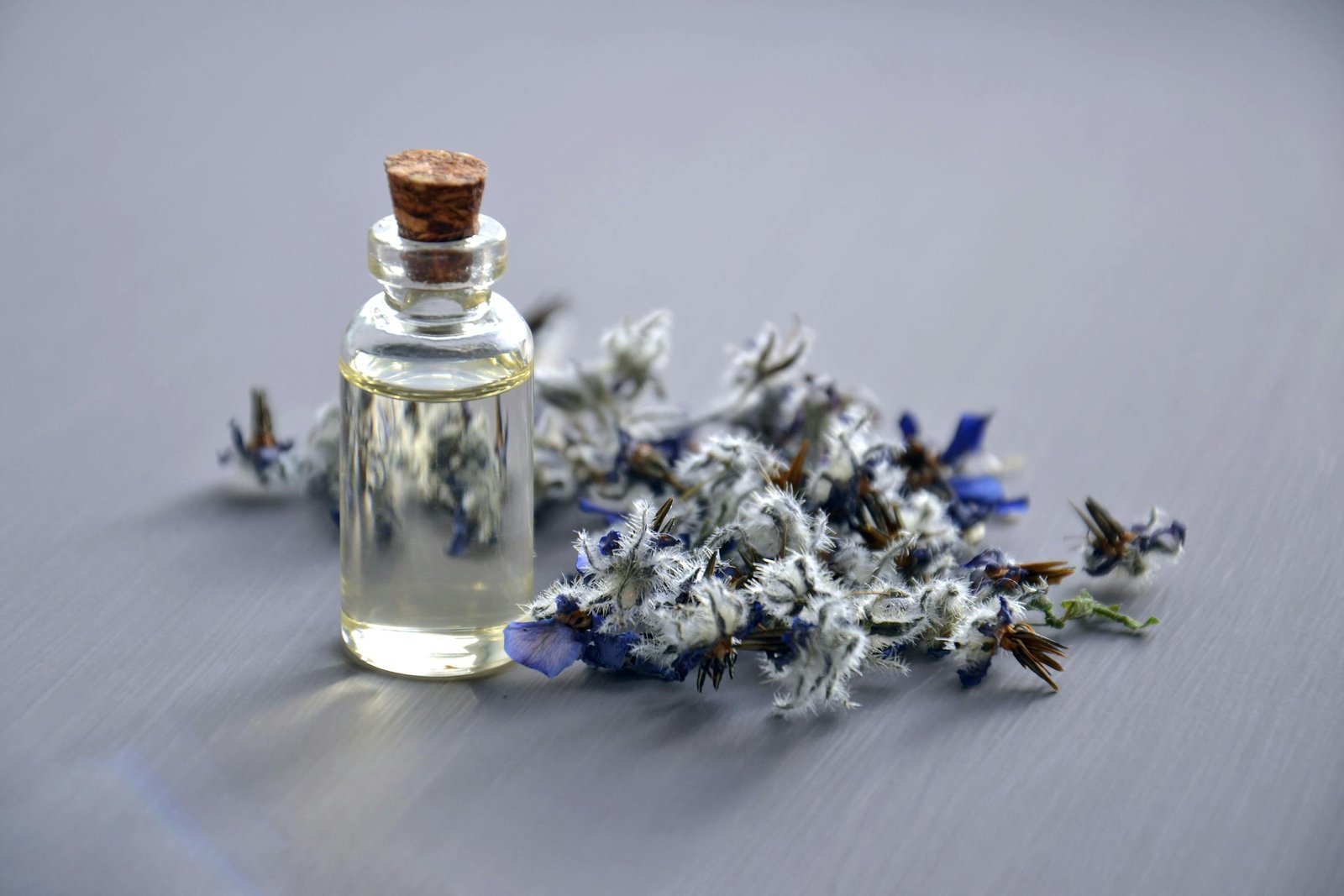
Essential oils are highly concentrated plant extracts that capture the natural aroma, flavor, and beneficial compounds of plants. They come from leaves, flowers, bark, roots, or fruit peels and are used for aromatherapy, skincare, cleaning, and relaxation.
Each essential oil contains a unique chemical makeup that gives it its distinct scent and therapeutic properties. For example, lavender promotes calm, peppermint energizes, and eucalyptus helps open the airways.
How Are Essential Oils Made?
The two most common methods of extraction are:
- Steam Distillation – Steam passes through plant material, separating the oil from water. This is the most common process for lavender, peppermint, and rosemary.
- Cold Pressing – Used mainly for citrus oils like orange, lemon, and lime, where oil is mechanically pressed from the rind.
The result is a pure, potent liquid — just a few drops are often enough to make a noticeable difference.
How Do Essential Oils Work?
Essential oils work through aromatherapy (inhalation) and topical application.
- Inhalation: When you breathe in an essential oil’s aroma, its molecules travel through your nose to the brain’s limbic system — the emotional control center — influencing mood, stress, and relaxation.
- Topical Use: When diluted properly, essential oils can be absorbed through the skin to provide local or systemic effects (for example, massage oils or bath blends).
Some people even use essential oils in diffusers to cleanse the air and create a calming atmosphere at home.
Popular Essential Oils and Their Benefits
Here are some of the most loved and versatile essential oils for beginners:
| Essential Oil | Common Benefits | How to Use |
|---|---|---|
| Lavender | Relaxation, better sleep, skin soothing | Diffuser, pillow spray, bath soak |
| Peppermint | Focus, energy, tension relief | Diffuser, roll-on for temples |
| Eucalyptus | Respiratory support, freshness | Shower steam, diffuser |
| Lemon | Mood-lifting, cleansing | Surface cleaner, diffuser blend |
| Tea Tree | Antibacterial, acne support | Skincare, DIY cleaning |
| Frankincense | Grounding, spiritual calm | Meditation diffuser, skin care |
When starting out, choose 3–5 core oils that fit your goals. You can always build your collection as you learn.
Beginner Diffuser Blend Recipes
Start experimenting with blends that match your mood. Here are a few simple, beginner-friendly recipes you can try today:
| Mood | Blend Recipe | Notes |
|---|---|---|
| Relaxation | 3 drops Lavender + 2 drops Frankincense + 1 drop Bergamot | A calming evening blend that eases stress. |
| Focus | 3 drops Peppermint + 2 drops Lemon | A refreshing daytime blend that promotes mental clarity. |
| Sleep | 4 drops Lavender + 1 drop Cedarwood + 1 drop Roman Chamomile | Ideal before bedtime to help your body unwind. |
| Energy Boost | 3 drops Orange + 2 drops Grapefruit + 1 drop Peppermint | Perfect for morning motivation or a mid-day pick-me-up. |
Blending is part art, part science — so don’t be afraid to experiment. Start with fewer drops and adjust until you find what works best for your space and senses.
Beginner Oil Safety Chart
Essential oils are powerful, and while they can provide great benefits, safety always comes first. Keep this simple guide in mind:
| Category | Safe Oils | Use With Caution | Avoid |
|---|---|---|---|
| Kids (ages 2–10) | Lavender, Chamomile, Lemon | Peppermint, Eucalyptus | Wintergreen, Clove |
| Pregnancy | Lavender, Frankincense, Ylang Ylang | Peppermint (later trimesters) | Basil, Rosemary, Clary Sage (early pregnancy) |
| Pets | Frankincense, Lavender (in small amounts) | Cedarwood, Lemongrass | Tea Tree, Citrus oils, Peppermint |
Always dilute essential oils before topical use, avoid direct contact with eyes or mucous membranes, and never use essential oils internally unless guided by a qualified professional. If you have any medical conditions, consult your physician before use.
How to Use Essential Oils Safely
Essential oils are potent — and a little goes a long way. Here are key safety tips for beginners:
- Always dilute before applying to skin. Mix with a carrier oil like coconut, jojoba, or almond. A safe ratio for adults is typically 2–3 drops of essential oil per teaspoon of carrier oil.
- Do not ingest essential oils unless under professional supervision.
- Perform a patch test before using a new oil on your skin.
- Be cautious with children, pets, and pregnant individuals. Some oils may not be safe for these groups.
- Store properly in dark glass bottles away from sunlight and heat to preserve potency.
Myths vs Facts About Essential Oils
There’s a lot of misinformation online. Here’s the truth behind some of the most common myths:
| Myth | Fact |
|---|---|
| “Essential oils cure diseases.” | Essential oils can support wellness and mood but should never replace medical treatment. |
| “All oils are safe to use undiluted.” | Many oils are too strong for direct skin contact and must be diluted to avoid irritation. |
| “Fragrance oils are the same as essential oils.” | Fragrance oils are synthetic and lack the natural therapeutic compounds of true essential oils. |
| “The more drops you use, the stronger the effect.” | Overuse can cause headaches or sensitivity; start with a few drops and adjust. |
Learning the difference between myth and fact helps you use oils safely, effectively, and confidently.
The Best Ways to Use Essential Oils
There are countless creative ways to enjoy essential oils in your daily routine:
- Diffusing: Add a few drops to a diffuser for aroma and relaxation.
- Inhalation: Place a drop on a cotton ball or tissue and breathe deeply.
- Topical Blends: Combine with a carrier oil for massages or targeted relief.
- Bath Soaks: Mix with Epsom salt and carrier oil before adding to bathwater.
- DIY Cleaning: Blend lemon, tea tree, and lavender oils for natural cleaning sprays.
Start with simple blends and adjust based on your mood or need.
Choosing Quality Essential Oils
Not all oils are created equal. Look for products that are:
- 100% pure with no synthetic fillers or artificial fragrances
- GC/MS tested (Gas Chromatography/Mass Spectrometry) for quality and authenticity
- Clearly labeled with the Latin botanical name and origin
- Packaged in dark glass bottles to protect from light damage
Buying from reputable brands ensures safety and potency.
Getting Started: Your Beginner’s Aromatherapy Kit
If you’re new, consider starting with a few multipurpose oils and basic tools:
- Starter oils: Lavender, peppermint, lemon, eucalyptus, and frankincense
- Carrier oils: Fractionated coconut oil or jojoba oil
- Diffuser: For aromatic benefits throughout your space
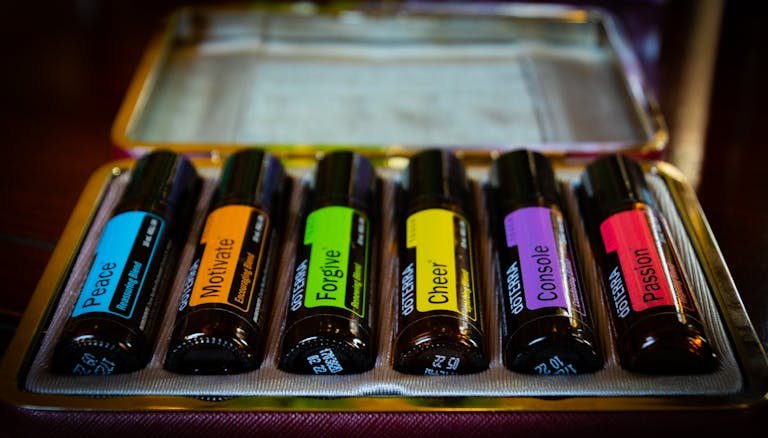
- Roller bottles & droppers: For easy application and DIY blends
Shop the Tools
FAQs
Are essential oils the same as fragrance oils?
No. Fragrance oils are synthetic and made for scent only. Essential oils are natural plant extracts with therapeutic benefits.
Can I mix different essential oils together?
Yes. Blending oils can enhance their effects. Try lavender + lemon for calm energy or eucalyptus + peppermint for clarity.
How long do essential oils last?
Most last 1–3 years if stored properly in dark bottles, away from heat and sunlight. Citrus oils usually expire sooner.
Are essential oils safe for pets?
Some are not. Cats and dogs are sensitive to certain oils like tea tree or citrus. Always consult a vet before use.
Nature’s Most Powerful Gifts
Essential oils are one of nature’s most powerful gifts, and when used properly, they can elevate your mood, calm your mind, and freshen your home naturally.
Start small, learn what works for you, and enjoy exploring the amazing world of aromatherapy one drop at a time.
Ready to begin? Explore our Beginner’s Oils Guide and discover the best starter kits to launch your journey into natural wellness today.