10 Common Mistakes Beginners Make with Aromatherapy (and How to Avoid Them)
Common Mistakes Beginners Make with Aromatherapy
Aromatherapy can be one of the most rewarding ways to improve your health, mood, and home environment naturally. But if you’re new to essential oils, it’s easy to make mistakes that limit their effectiveness — or worse, put your safety at risk. Learning how to use essential oils the right way will help you get all the benefits without the confusion.
Here are the 10 most common aromatherapy mistakes beginners make, and how you can avoid them.
1. Using Essential Oils Undiluted
Many beginners assume pure oils can be applied directly to the skin. The truth is that most essential oils are highly concentrated and can cause irritation, burns, or allergic reactions.
How to avoid it:
Always dilute your oils with a carrier oil such as fractionated coconut, jojoba, or sweet almond oil. A safe starting ratio is 2–3 drops of essential oil per teaspoon of carrier oil.
2. Believing “More Drops = More Power”
Adding more oil doesn’t always mean better results. Overuse can lead to headaches, dizziness, or sensitivity.
How to avoid it:
Start small — 3–5 drops in your diffuser is usually plenty. When blending, keep the total essential oil concentration around 2%.
3. Ignoring Safety for Children and Pets
Not all oils are safe for kids, pregnant women, or pets. Some can be toxic even in small amounts.
How to avoid it:
Research or check reliable sources before using oils around babies or animals. For example, avoid tea tree and citrus oils around cats, and use milder oils like lavender or chamomile for children.
4. Using Cheap or Synthetic Oils
All essential oils are not created equal. Many inexpensive brands use fillers or artificial fragrances that reduce effectiveness and may cause reactions.
How to avoid it:
Choose oils labeled 100% pure, therapeutic-grade, and tested for purity (GC/MS reports are ideal). Reputable brands are transparent about sourcing and testing.
5. Storing Oils Incorrectly
Essential oils are sensitive to heat, light, and air. Exposure can make them lose potency or oxidize, increasing the risk of skin irritation.
How to avoid it:
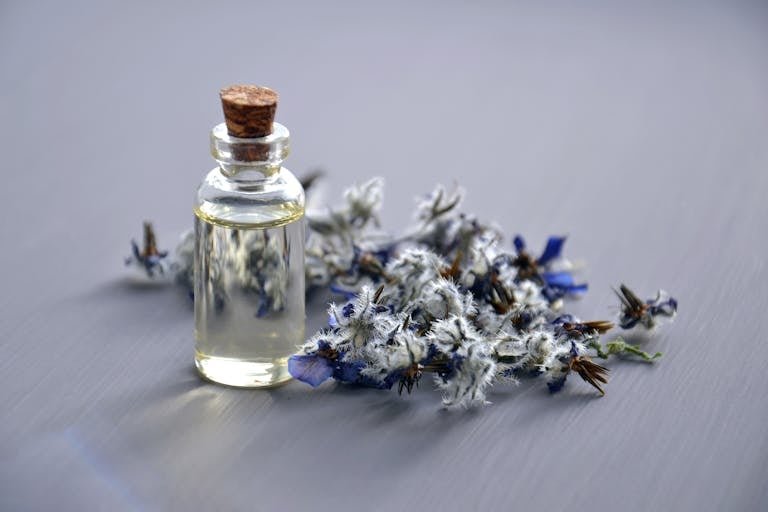
Store your oils in dark glass bottles, tightly sealed, in a cool, dry place. Never leave them near sunlight or open diffusers when not in use.
6. Not Learning Proper Diffuser Use
Many people overfill their diffuser or use it for hours on end. This can waste oils and sometimes cause nausea or headaches.
How to avoid it:
Follow your diffuser’s instructions and use short sessions — 30 to 45 minutes is usually ideal. Clean your diffuser regularly to prevent buildup and mold.
7. Using Essential Oils Internally Without Guidance
Some online sources suggest drinking or cooking with essential oils, but ingesting them can be dangerous without professional supervision.
How to avoid it:
Do not ingest essential oils unless guided by a certified aromatherapist or medical professional. Many oils are not food-safe and can irritate your digestive tract or liver.
8. Neglecting Blending Basics
Beginners often mix oils randomly, which can produce unpleasant scents or unbalanced blends that cancel each other out.
How to avoid it:
Learn the basics of blending — oils are categorized as top, middle, and base notes. A balanced blend often includes one of each for harmony and longevity.
9. Overlooking the Emotional Aspect
Aromatherapy isn’t just about smell — it’s about how scent interacts with emotion and mood. Beginners sometimes focus too much on recipes and forget to notice how oils make them feel.
How to avoid it:
Take time to explore different oils and pay attention to how your mind and body respond. Build your own blends based on what makes you feel relaxed, energized, or clear-headed.
10. Expecting Instant Results
Essential oils can work quickly for mood and relaxation, but consistent use often brings the best benefits. Beginners sometimes give up too soon.
How to avoid it:
Use oils regularly as part of your daily routine — during meditation, before bed, or while cleaning. Small, steady habits create long-term results.
Quick Reference: Safe Aromatherapy Practices
| Do This | Avoid This |
|---|---|
| Dilute oils before applying to skin | Using undiluted oils directly |
| Use 3–5 drops per diffuser session | Overloading diffusers with oil |
| Store oils in dark glass bottles | Leaving bottles open or in sunlight |
| Research oils safe for kids/pets | Assuming all oils are harmless |
| Choose tested, pure oils | Buying cheap synthetic blends |
Shop the Essentials
- Lavender Essential Oil – for calm and relaxation
- Peppermint Essential Oil – for focus and energy
- Ultrasonic Diffuser – for a refreshing home environment
- Jojoba Carrier Oil – for safe dilution and massage blends
FAQs
Q: Can I use essential oils every day?
Yes, as long as they’re used safely and properly diluted. Consistent, mindful use is better than overuse.
Q: What’s the best way to start with aromatherapy?
Begin with a few versatile oils like lavender, peppermint, and lemon. Learn their properties and experiment with simple blends.
Q: Can I mix oils from different brands?
Yes. Just make sure all oils are pure, tested, and from trusted companies.
Use Essential Oils Safely
Aromatherapy can enhance your daily life in countless ways — improving focus, promoting relaxation, and even making your home smell incredible. The key is using essential oils safely and wisely. By avoiding these common beginner mistakes, you’ll build confidence and enjoy every drop of your aromatherapy journey.
Start small, stay curious, and explore the world of essential oils with patience and purpose.